Do Data and AI Really Point to the Truth?
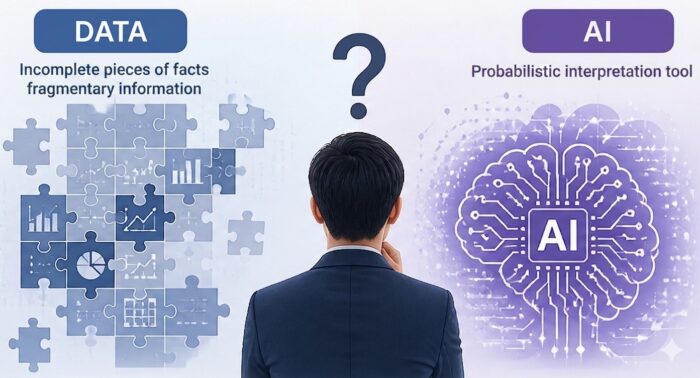
Data and AI don’t always tell the truth. Data is incomplete and biased, and AI generates probabilistic outputs. Human judgment, critical thinking, and validation are essential for reliable decision-making.
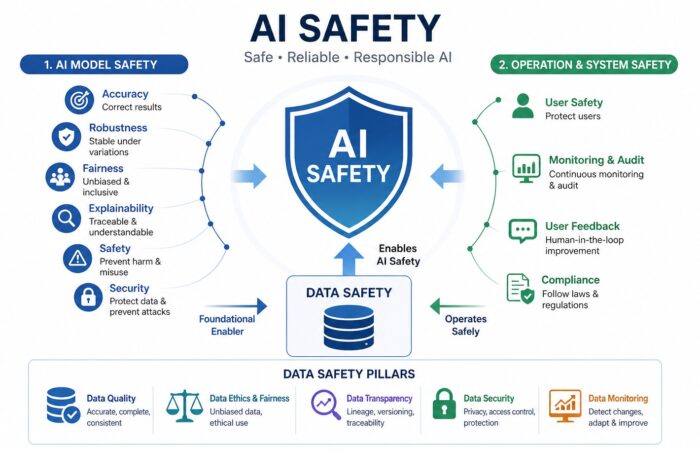
AI safety depends on data safety. High-quality, secure, and well-governed data ensures accuracy, fairness, robustness, explainability, and security, enabling trustworthy AI systems and reducing real-world risks.
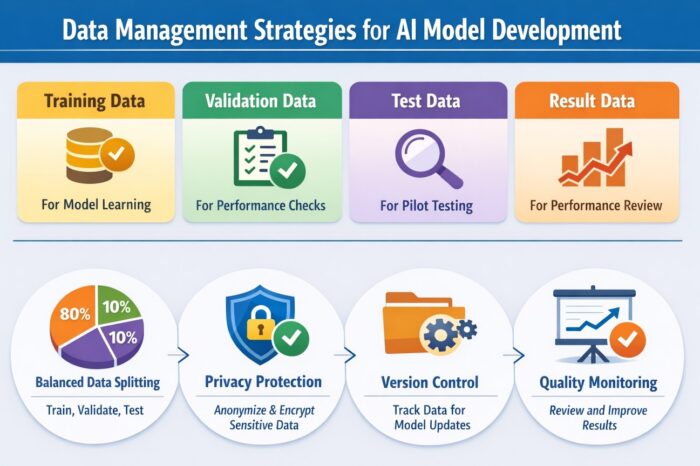
Effective AI model development depends less on algorithms and more on how data is managed. High-quality training, validation, and test data, proper data splitting, privacy protection, and data versioning are essential for reliable, scalable, and trustworthy AI systems.
AI success depends on people who prepare data, build access pathways, and validate results through human oversight. These human roles create structure, trust, and real business value in the age of AI.
Data Product transforms data from stored assets into user-focused products, enabling real business value through clear ownership, usability, and AI-ready quality standards.
AI memory relies on time series data design. By managing state over time, storing meaningful events, recording intent, and summarizing timelines, AI can remember context and work continuously as an intelligent agent.
NL-SQL accuracy matters more than it seems. This article explains why 80% accuracy is risky for real business analytics and how semantic layers, query structuring, and clarification loops enable near-100% reliable Natural Language to SQL systems.
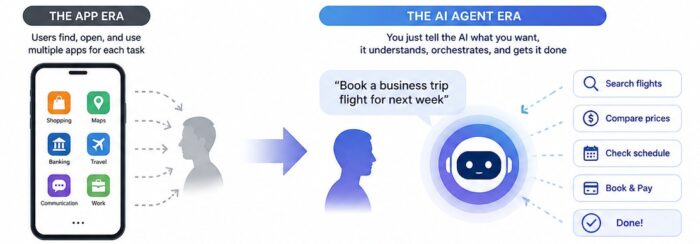
AI application implementation models explained: application-centric AI vs AI-centric orchestration, key differences in control, data management, scalability, and how hybrid architectures shape the future of enterprise AI systems.
AI-powered Data Analysis Agents automate the entire analytics lifecycle—from data extraction and analysis to visualization, validation, and insights—enabling faster, scalable, and more accessible data-driven decision making across organizations.
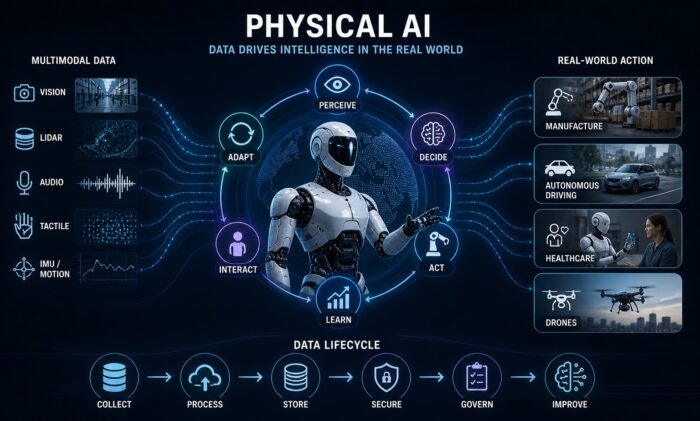
Bring Data to AI centralizes data for scalable analytics and model training, while Bring AI to Data deploys AI where data is generated for real-time, secure decisions. Modern AI architectures increasingly combine both approaches.